
Can You Run AC, Microwave & Washing Machine on One Socket? Why This Is a Dangerous Idea for Your Home
It usually starts innocently. The microwave is heating food, the washing machine is running its cycle, and the AC is already on because Karachi heat doesn’t take breaks. The nearest socket is right there, so plugging everything into the same extension board feels like the easiest solution. But what most homeowners don’t realize is that appliances like ACs, microwaves, and washing machines consume heavy electrical load. When they are connected to a single socket or circuit, the wiring behind your walls may be forced to handle far more electricity than it was designed for.
At Forifix, electrical inspections often reveal that overloaded sockets and extension boards are one of the most common reasons behind household short circuits and electrical damage. And the biggest problem? Short circuits rarely give warnings.
Why High-Power Appliances Should Never Share One Socket
Not all appliances use the same amount of electricity. Devices like chargers, lamps, and fans consume very little power. But appliances such as air conditioners, microwaves, washing machines, and electric ovens draw significantly higher electrical current. When multiple high-power appliances are connected to the same socket, the circuit becomes overloaded. Over time this can lead to overheating wires, damaged sockets, tripped breakers, melted extension boards, or even electrical fires. What seems like a simple convenience can quietly become a serious electrical hazard.
The Hidden Risk Behind Extension Boards
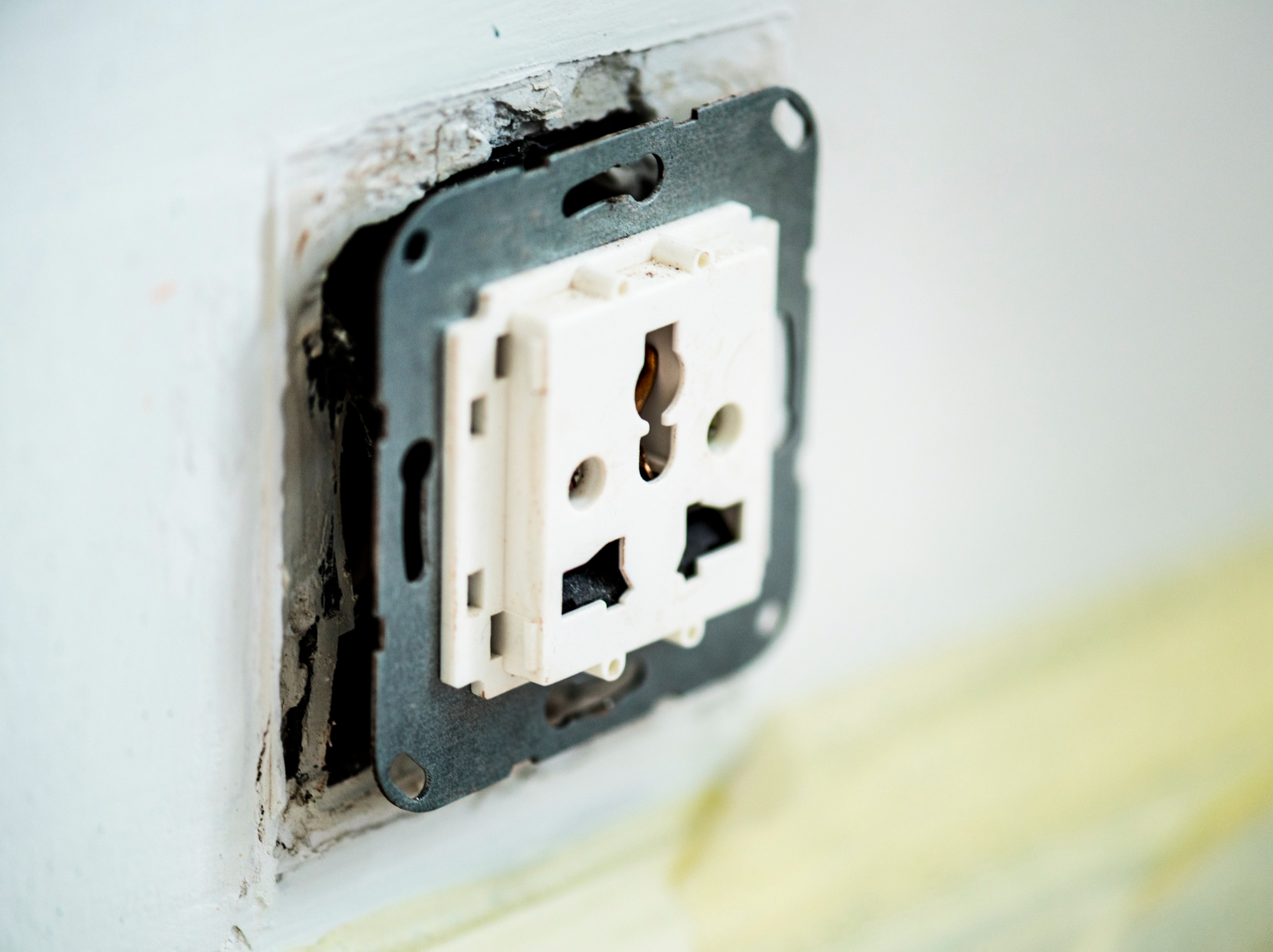
Extension boards often give the impression that they can safely power multiple appliances at once. In reality, most extension boards are not designed for heavy electrical loads. When appliances like ACs or washing machines are connected through them, the internal wiring of the extension board heats up quickly. This is why many people suddenly notice burning smells, sparks, flickering power, or sockets heating up. By the time these warning signs appear, the electrical system is already under dangerous stress.
Signs Your Electrical System Might Already Be Overloaded
Many homes unknowingly experience electrical overload without realizing the cause.
- Frequent tripping of circuit breakers
When circuits carry too much load, the breaker shuts off electricity to prevent damage.
- Warm or burnt sockets
If a socket feels hot to the touch, it’s a clear sign the wiring is under pressure.
● Lights flickering when appliances turn on
Heavy appliances pulling too much current can affect the stability of other electrical connections in the house. If these signs appear regularly, your electrical setup likely needs professional inspection.
Why Electrical Inspections Are Important for Home Safety
Most homeowners focus on appliances but rarely think about the electrical infrastructure behind the walls. However, wiring systems in many homes were installed years ago and may not be designed to handle today’s power-heavy appliances. A professional electrical inspection can identify overloaded circuits, unsafe wiring connections, damaged sockets, and power distribution issues. At Forifix, electrical inspections are designed to detect these problems early before they turn into costly repairs or safety hazards.
A Safer Way to Use Heavy Appliances
High-power appliances should ideally have dedicated power circuits designed specifically for their load. This ensures stable electricity flow, safer wiring conditions, longer appliance life, and a reduced risk of short circuits. Simple adjustments in electrical setup can significantly improve the safety of your home.
Keep Your Home Safe with Forifix Electrical Inspection
Plugging multiple appliances into one socket may seem like a small shortcut until the wiring behind your walls starts paying the price. ACs, microwaves, and washing machines are powerful machines. They need proper electrical support to run safely. That’s where Forifix electrical inspection services come in. Our technicians check your home’s wiring, identify overloaded circuits, and make sure your electrical system is built to handle the appliances you use every day. Because in the end, a safe home starts with a safe electrical system.

Leave A Comment